Battery Energy Storage Systems (BESS)
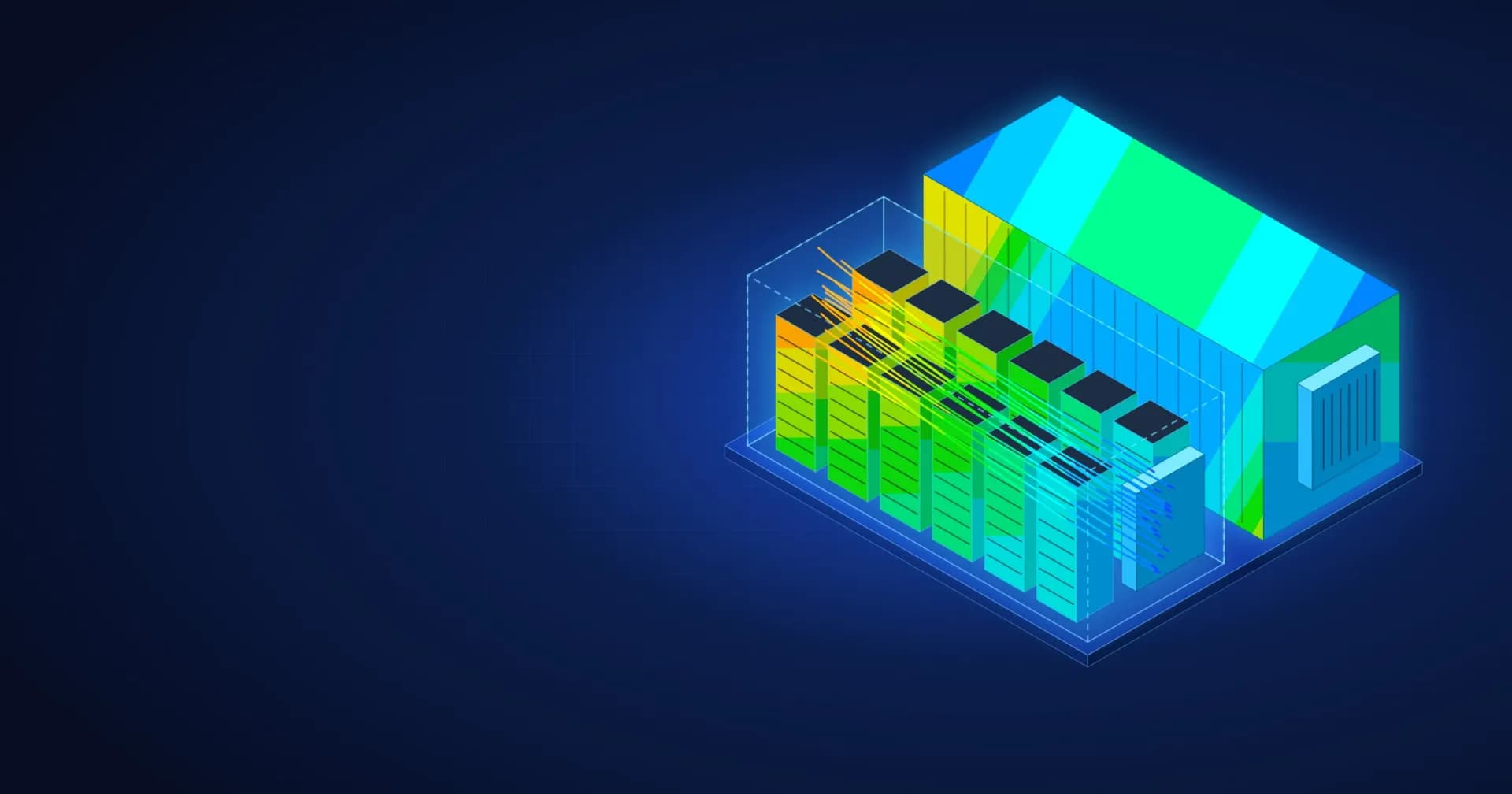
Structural and thermal simulation for containerised BESS: seismic, wind and snow checks on the container, and airflow and cooling inside it.
Industry overview
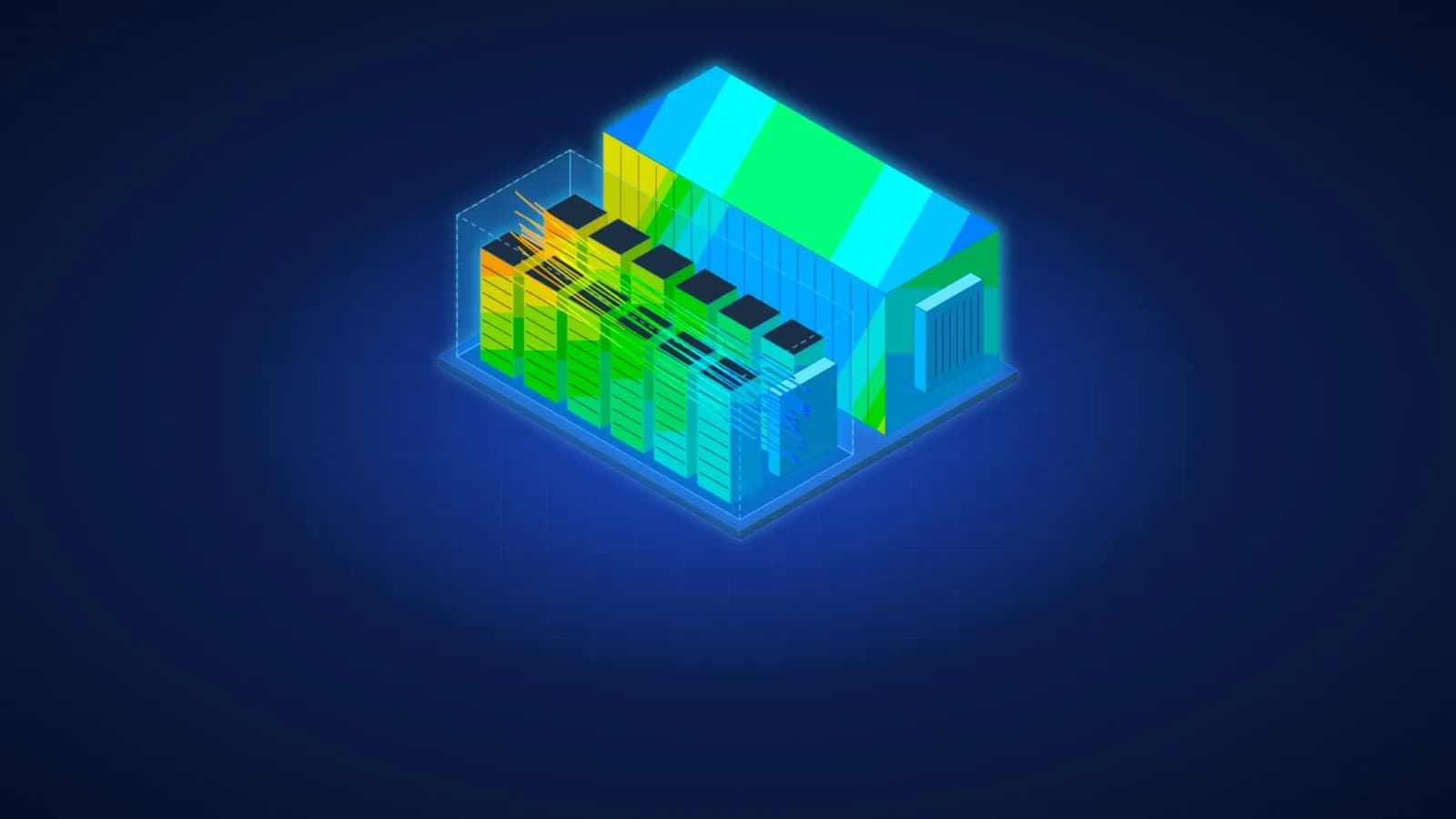
A containerised BESS is a steel enclosure carrying heavy battery racks, with power electronics and cooling equipment packed in beside them. The box is lifted and shipped like any container, but at site it must also take seismic, wind and snow loads. Inside, the cells need a narrow temperature band right through the hottest months. A weak structure shows up as cracked frames or shifted racks, while poor cooling shows up later, as some racks ageing faster than the rest.
Shirsh Technosolutions supports BESS integrators and their engineers on the enclosure side of the system. We have analysed a 20 ft battery container in ANSYS Mechanical for seismic, wind and snow loading. On the thermal side we have used CFD in ANSYS Fluent to check enclosure air conditioning options for critical equipment shelters before they were bought. We have also predicted heat build-up in solar inverter enclosures and designed liquid cooling plates. The same methods apply to airflow and temperature spread across the battery racks inside a container.
Industry challenges
Heavy battery racks loading the container floor and base frame unevenly
Seismic, wind and snow loads set by the site code, often an overseas one
Lifting and transport loads on a container cut for doors, louvres and HVAC openings
Uneven temperature across racks that shortens cell life
Air conditioning sized by rule of thumb instead of the real heat load and layout
How we help
- 1
FEA of the container structure and base frame for seismic, wind and snow loads
- 2
Lifting, transport and foundation interface checks
- 3
CFD of airflow and temperature across battery racks and power electronics
- 4
Air conditioning and fan options checked by simulation before procurement
- 5
Liquid cooling plate CFD for pressure drop and temperature uniformity
- 6
Platform and skid checks for inverters, transformers and auxiliary equipment
Key trends
Larger containerised blocks packing more energy into each enclosure
A move from air cooling to liquid cooling at rack level
Fire codes and large-scale fire testing, such as NFPA 855 and UL 9540A, shaping layout and venting
Solar-plus-storage tenders in India bringing BESS into projects that earlier had only PV
Want to learn this?
We also offer ANSYS & SolidWorks training courses.
Relevant solutions & software
At a glance
Bring code-compliant engineering to your next project
Tell us about your engineering needs — sizing, validation, troubleshooting, training.